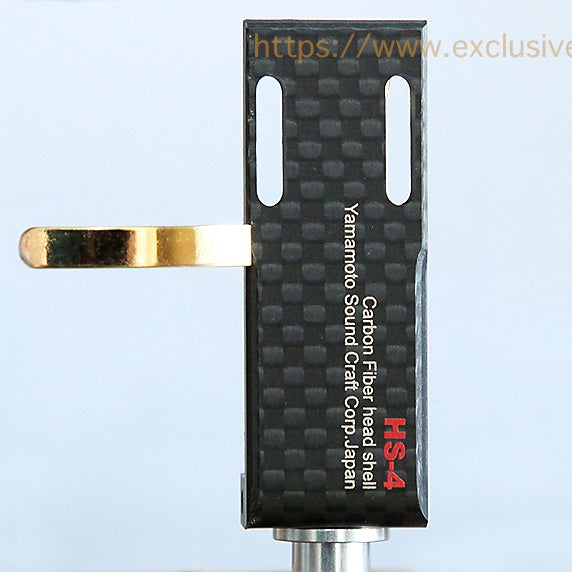
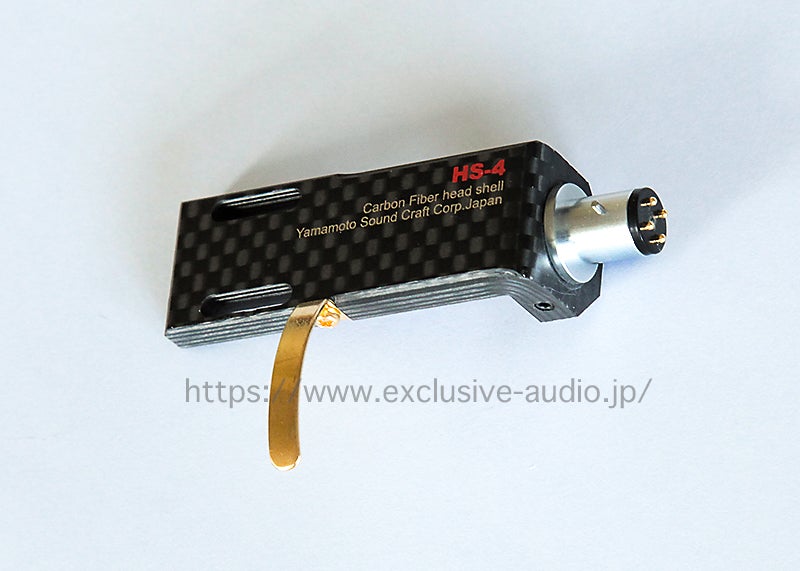
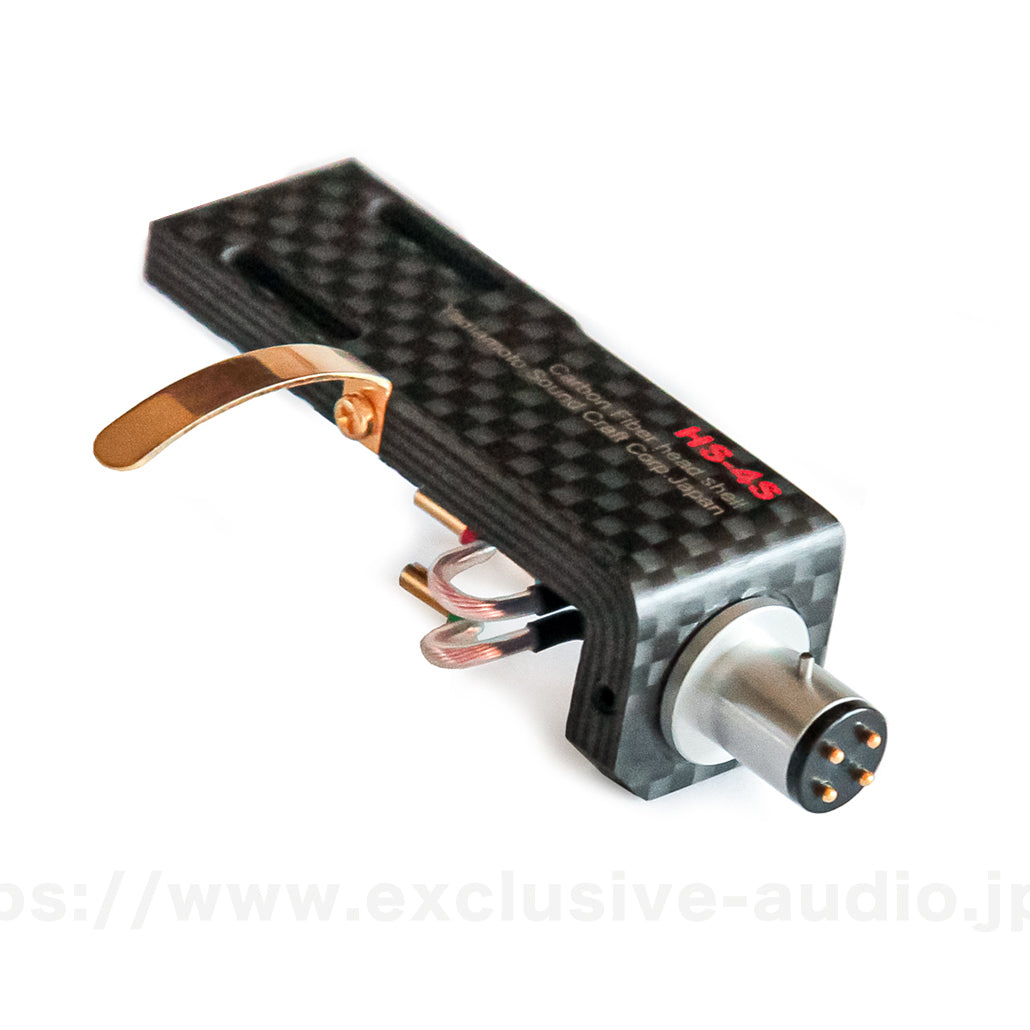
Yamamoto Sound Craft HS-4 / HS-4S Carbon Headshell
Product code: hs4Yamamoto Sound Craft HS-4 / HS-4S Carbon Headshell
Could not load the receipt status
Greatly improve the freshness of the sound!
Headshell made of high-strength, lightweight carbon fiber
Carbon fiber is characterized by its high rigidity, which is about twice as strong as steel, about 1/5 the weight of steel, and has excellent speed of sound (the speed at which sound propagates). In the HS-4 and HS-4S, the carbon fiber is molded to a thick size of 5 mm to maintain high strength and finish the headshell. The most important headshell material is its light weight, high strength, and low resonance. Carbon fiber is the best material that meets all of these conditions.
High-speed, powerful, informative, vividly reproduced, and crisp and clear tones from low to high frequencies may take the sound of the cartridge you are familiar with to the next level!
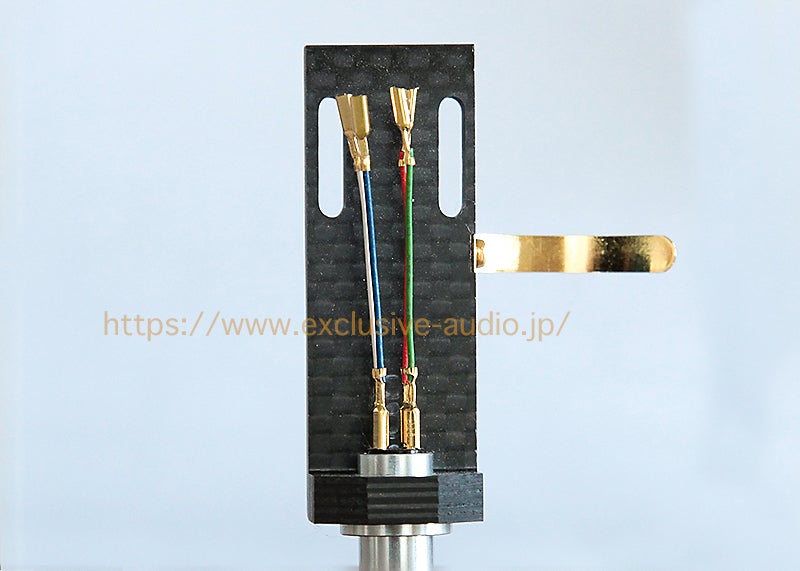
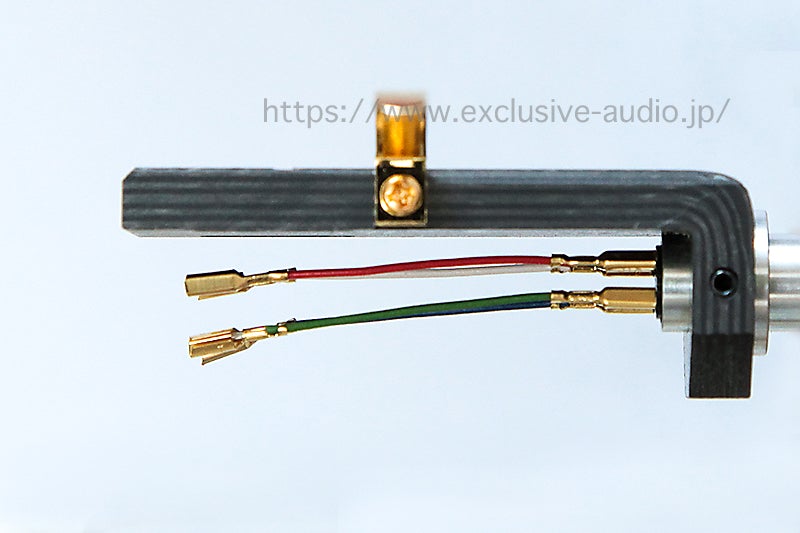
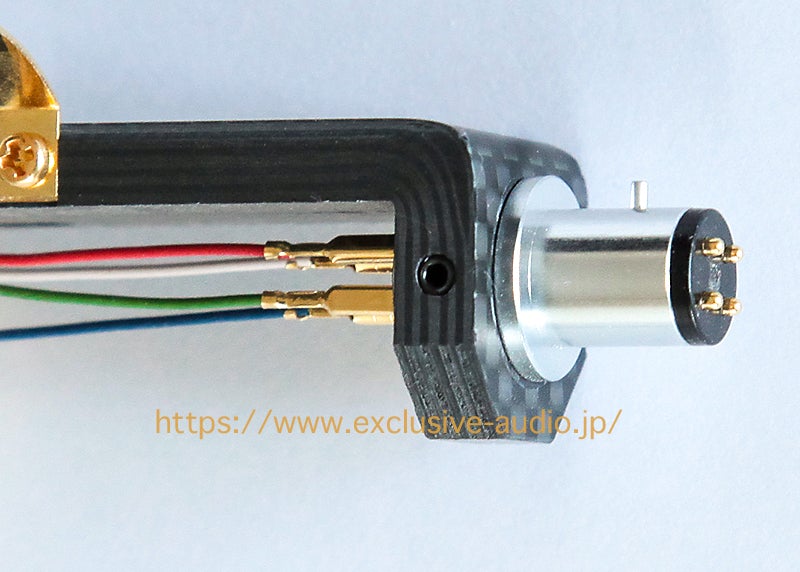
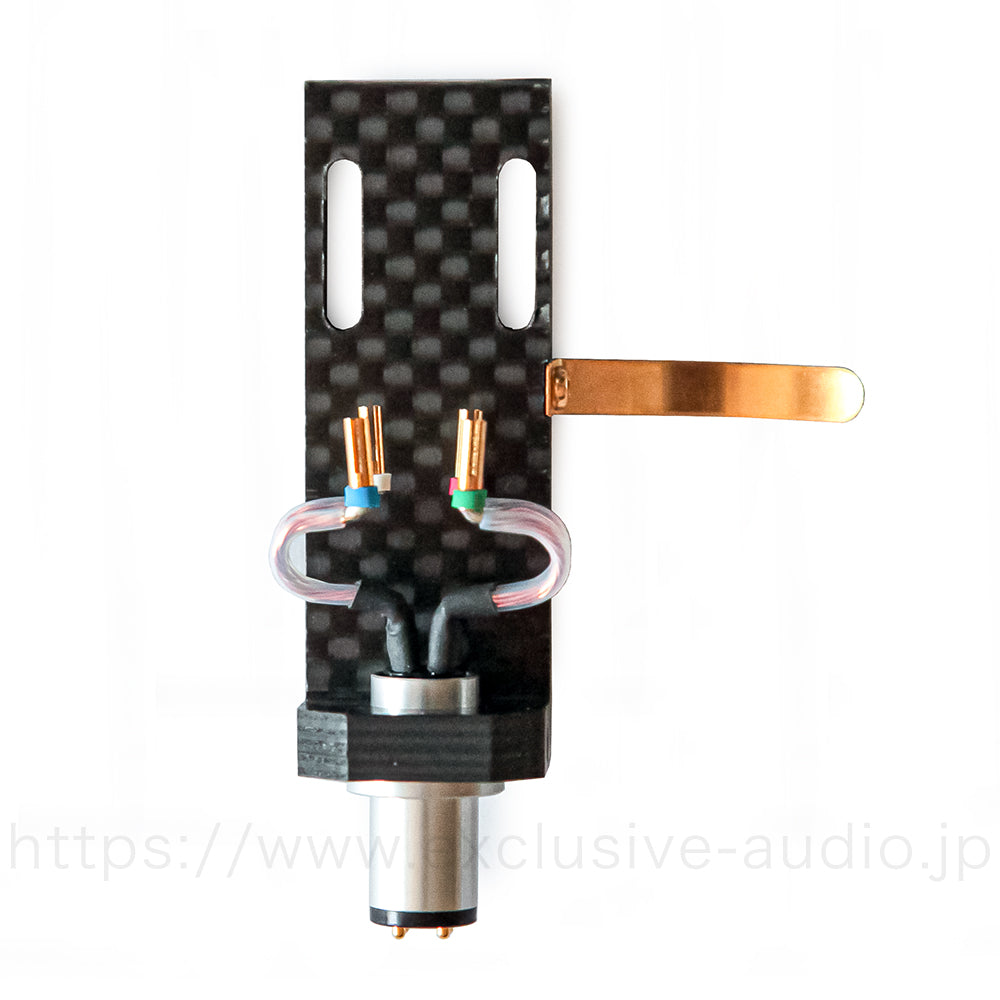
The HS-4 comes with standard shell leads, while the HS-4S has 6N copper wire soldered directly to the connector. The HS-4S does not allow the shell lead to be replaced, but it has the sound quality advantage of one less contact passing through, which greatly improves the freshness of the sound.

The finished weight including the lead wire is quite light at about 11 g, which meets the ideal requirements for a headshell of light weight and high rigidity. In general, the lighter the weight of the tonearm, including the cartridge and headshell, the higher its operational sensitivity, which contributes to improving the amount of information. In addition, the company's weight adjustment washersWA-1You can adjust the weight balance more easily.
| Material | Body: Carbon fiber 5mm thick Finger part: Brass (non-magnetic gold plated finish) Connector part: Connector side soldered (non-replaceable) Connector terminal pin: Made of phosphor bronze carved and phosphor bronze gold plating Connector insulation material: Teflon |
|---|---|
| Dimensions | 18(W) 50(L) 18(H) |
| Dead weight | 10.7g (with leads and without mounting screws) |
| Shell Reed | standard4-color lead wire |
| Accessories | Brass gold-plated mounting screws 3 types included |
The HS-4 / HS-4S are models positioned as headshells that clearly emphasize the characteristics of carbon material. Compared to wooden shells, they do not unnecessarily prolong the decay of sound, but rather cut off the resonance at an appropriate point, clearly focusing on extracting the information engraved on the records.
The first notable impression is the abundance of sound detail. Among the headshells used so far, many users report that fine sounds and nuances come through exceptionally well, with high reproduction of soft passages and background sounds. By suppressing unnecessary resonance, subtle signals are not buried, making it feel as though the amount of information has increased.
The tonal quality leans toward the dead side, exhibiting the vibration-dampening characteristic of carbon. It gives the feeling of a high-end speaker with thoroughly suppressed enclosure resonance, emphasizing excellent S/N ratio. As the background becomes quieter and the contours of the sound clearer, the overall perspective improves, and the playback music gains a sense of tension.
In classical and jazz music, the soundstage becomes more organized, and the separation between instruments is clear. Even in pop and rock, the rhythm is sharp, with no muddiness in the sound. While not a type that emphasizes warmth or resonance, it faithfully draws out the information contained in the recording.
Regarding the difference between the HS-4 and HS-4S, some say that the S type has a slightly tighter sound image and sharper focus, but the basic direction is the same. Rather than adding resonance, it subtracts what is unnecessary — a charm typical of carbon shells.