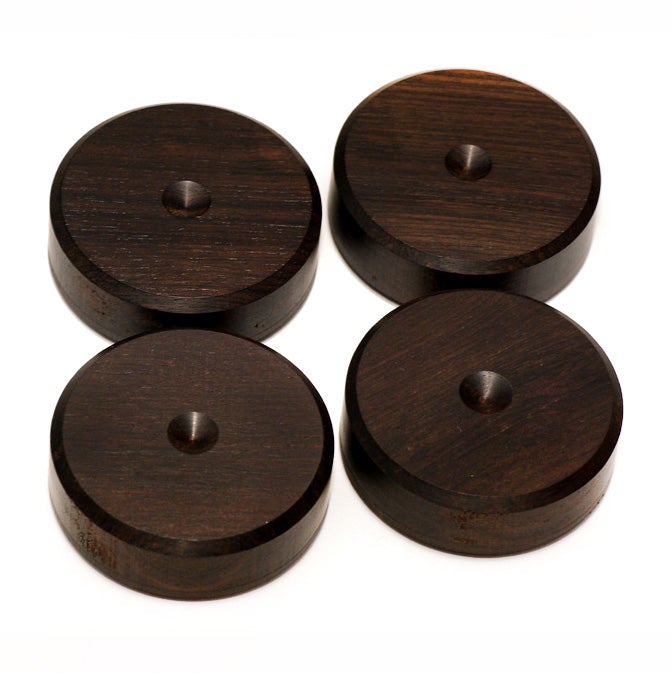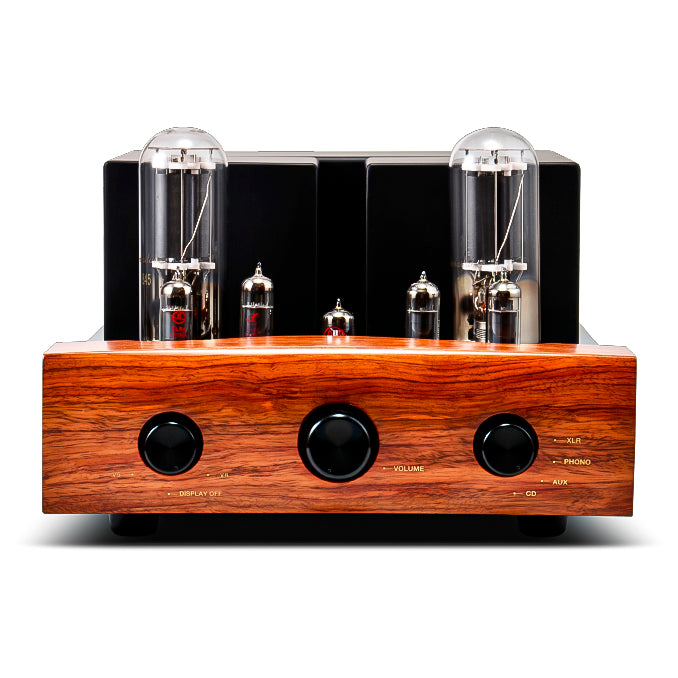

An "audio board" is something that can enhance the sound quality when placed under audio equipment.
Even those who are particular about their speakers or amplifiers tend to overlook the importance of this audio board.
Please consider purchasing an audio board to further improve sound quality.
What is an Audio Board?
By installing an audio board, it absorbs the vibrations of audio equipment and allows the equipment to express its original sound to the fullest.
The compatibility with sound depends on the material, but it has the effect of bringing out the original sound of the equipment.
Design as an interior feature is also important, so it is recommended to choose based on material, design (size), and price.
Choosing by Material
Audio boards come in a wide variety of materials, from wood, marble, and granite to combinations of multiple materials.
Since the tone changes depending on the material, choose based on your preferred sound and appearance.
Wood
Common wood types for audio boards include cherry and hickory. They are characterized by a high vibration absorption rate due to the moderate hardness of the wood.Therefore, wooden audio boards are suitable for enhancing bass, and they also give a soft visual impression.

Yamamoto Sound CraftB-60 Speaker/Amplifier Plate-type Base
Stone
Stone materials are mainly marble and granite. Compared to wood, they are harder and heavier, which suppresses vibrations and noise while tightening low frequencies and emphasizing midrange tones. They also provide a luxurious feel that is different from wood.
Metal
Metal audio boards can effectively absorb vibrations even if they are thin. Due to the heaviness of the material, they absorb vibrations well.
In addition, they have a compact appearance because of their low height. However, in the case of metal, caution is needed as resonance may occur depending on the combination of materials.
Hybrid Type
Combination of multiple materials
The materials used vary depending on the item, but there are audio boards that utilize the characteristics of each material, ranging from audio boards that combine wood and metal to those that use magnets to achieve flotation.
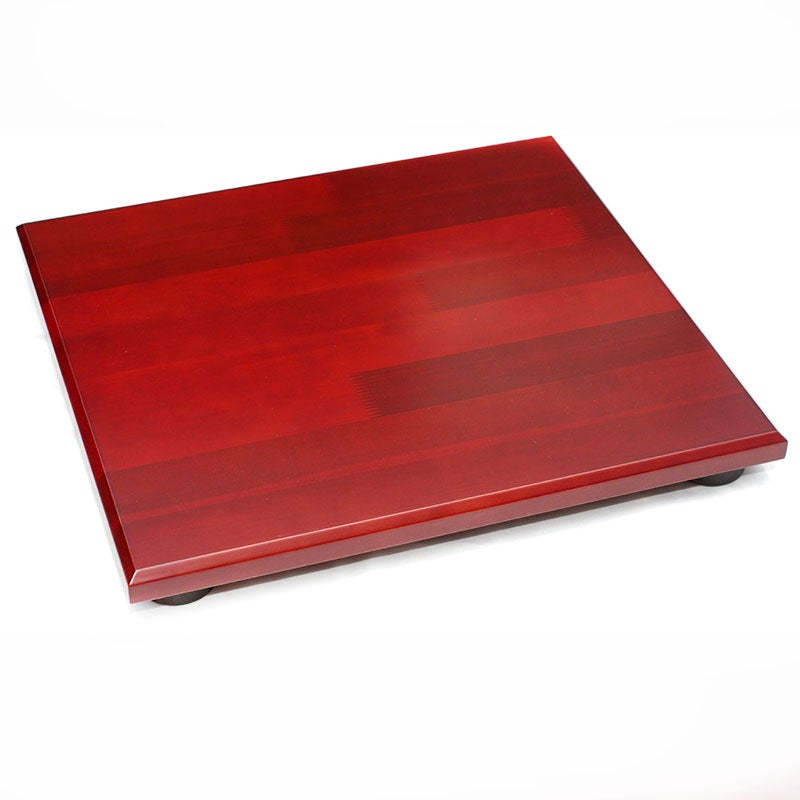
Yamamoto Sound CraftMGB-50 Magnet Floating Base
Choosing by thickness and weight
It depends on the material, but thicker boards are said to absorb vibrations better, resulting in clearer sound resonance.
Additionally, audio boards are considered to be more stable and produce better sound resonance if they are heavier, but if they are too heavy, the installation area may deform, so caution is necessary.
They may look light, but even the lighter ones actually weigh around 2 kg, while the heavier ones can exceed 10 kg.
Furthermore, if you use an audio rack combined with audio boards, you can neatly accommodate multiple devices while improving sound quality.
Depending on the material, some high-performance options are thin, so please enjoy your audio lifestyle with your preferred design, size, and material.
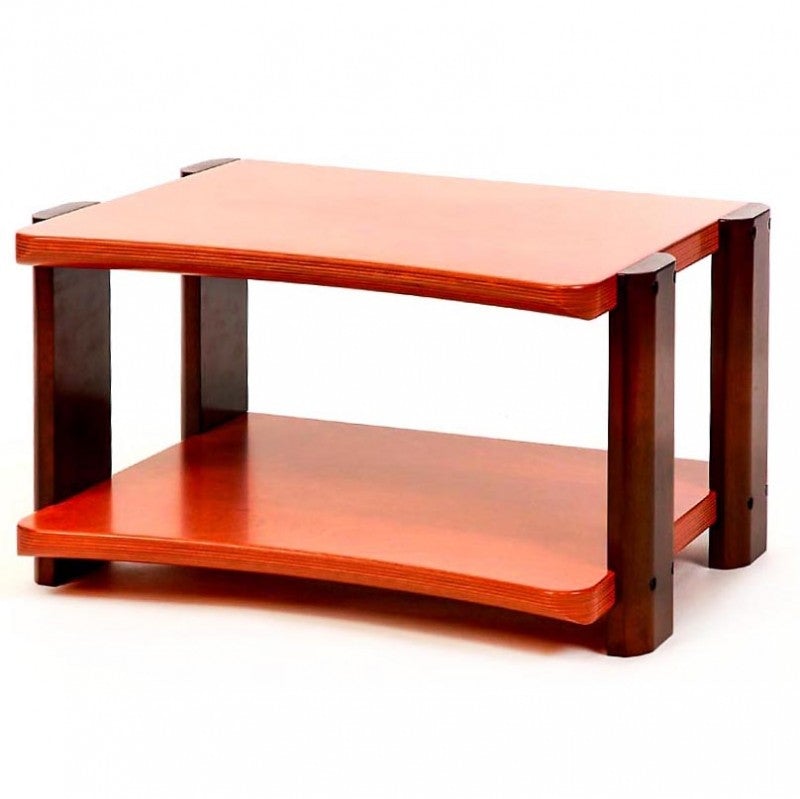
Yamamoto Sound Craft OS-32 (2-shelf, 32cm height) Audio Rack
List of audio rack products↓
Audio Base
Many enthusiasts use audio bases in combination with audio boards. There are various types for amplifiers, players, and speakers, and the materials are often fixed to the audio board, leading to sharper, more defined, and extended sound. The materials are mostly hard, including ceramic, metals, and hard woods such as ebony.
Audio Bases Available in Our Store